

When you ask most people what their earliest memories are, they may respond with something wholesome. Blowing out candles on their third birthday, getting on a bike for the first time, or their first day at school come to mind. Unfortunately, early memories aren’t subject to just positive experiences.
One of my earliest memories consists of my family being detained in an airport room, along with numerous other Muslim families, for eight hours. I must have been five years old at the time, only a few years after the devastating September 11th attacks. My mother was holding a Green Card at the time, along with her Sudanese passport, and because of her foreign status, she received hostile treatment. I still think about how vicious the security had been towards my mother.
My mother developed a phobia regarding the entire U.S. legal system. We became accustomed to “random searches” and heavy security checks. Even as a citizen, I was told that it was a lawful act of surveillance to protect our country.
However, after a decade-long battle of trying to obtain permanent status, my mother finally earned her citizenship, but her phobia remained.
My mother still tells us to stay silent, keep our heads down, and avoid civic engagement or political advocacy out of paranoia that the government will come knocking down on our doors, ready to snatch our citizenship away and deport us all for good.
In recent days, this paranoia seems not far from reality. Her worst nightmare is slowly unraveling as we see citizens being unlawfully detained, beaten, and even murdered for exercising our rights protected by what we all believed to be this country’s most powerful binding document.
It seems that my earliest memory and my mother’s trauma as a product of post-9/11 Islamophobia are coming full circle. We bear witness, yet again, to countless children, such as Liam Conejo Ramos, being wrongfully detained and traumatized, and immigrant parents fearing for their safety, having to always be on alert in a country they call their home.
We can’t and shouldn’t remain indifferent to the current oppressive system of immigration and the idea of “nationalism” that continues to stem from it. It causes the most vulnerable to suffer consequences that no human should ever have to experience.
Articles for the Week
A New Global Platform?
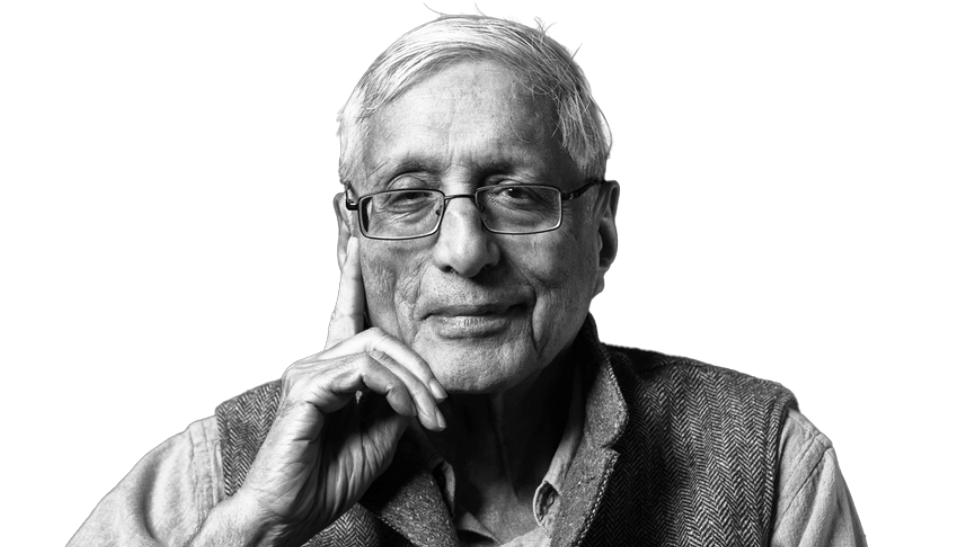
With that, I transition to this week’s new article by Rajmohan Gandhi, which discusses a rupture in the world order but also questions its initial validity, as many thoughts come to light now that it’s under threat.
America in the Crosshairs

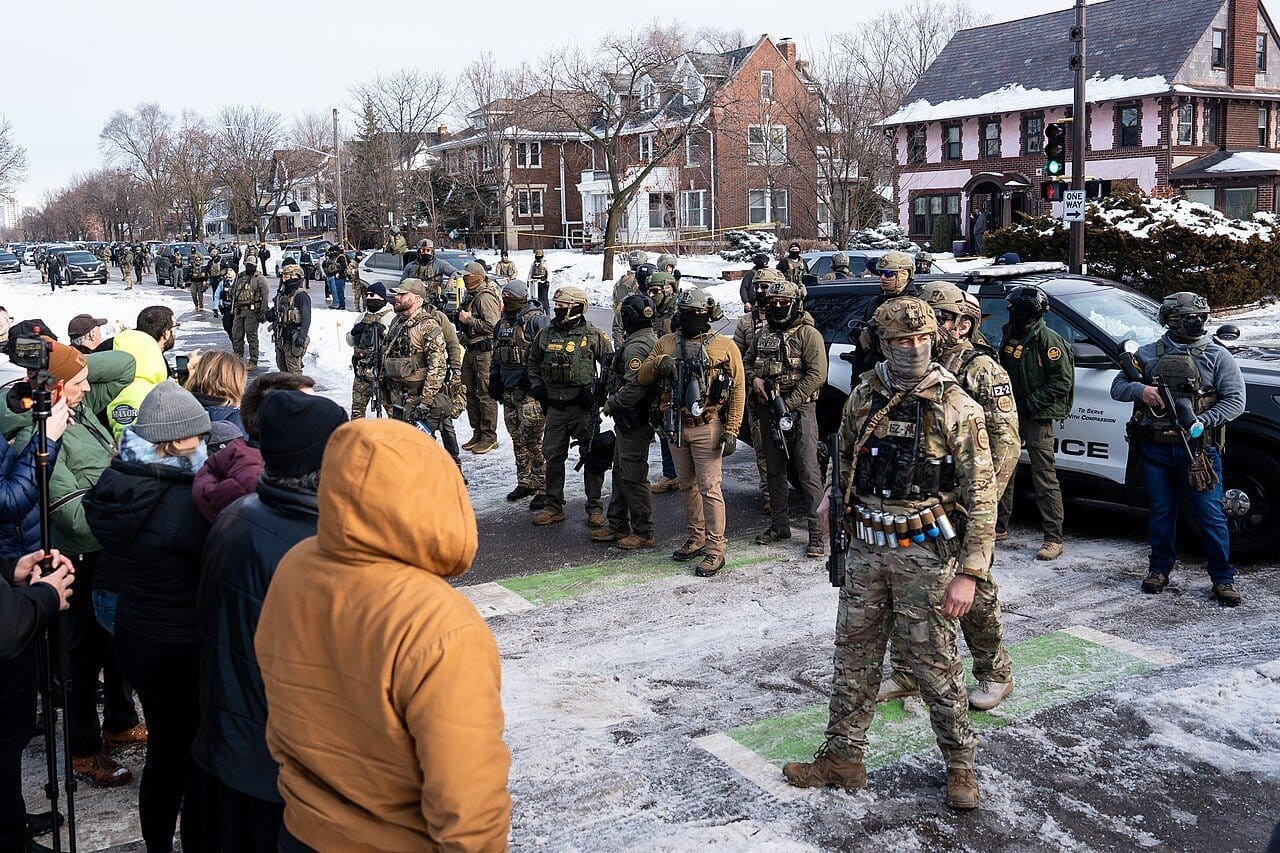
Margaret Smith writes about the dire situation in Minnesota, where ICE has acted against presumed violators of immigration laws in their state. A quote that stuck with me as a transdisciplinary artist and creative: “Some might argue that the world of music is one where we can and should remain politically neutral. Wang decided on Saturday that the world of music would call out fascism when it sees it.” The artistic form is a language that can communicate and touch the souls of a diverse range of audiences, and is most importantly just as critical a tool in political resistance as other means.
Face-to-Face with Fear
One of our new One Humanity Fellows, Simon Galkevich, dissects the chilling similarities between what’s happening in the United States to his own personal experiences in Russia. Although he discusses his justified frustration, there is a glimmer of hope from the courage we see on display from heroes like Renée Good and Alex Pretti.
Hope and Struggle in Myanmar Refugee Camps
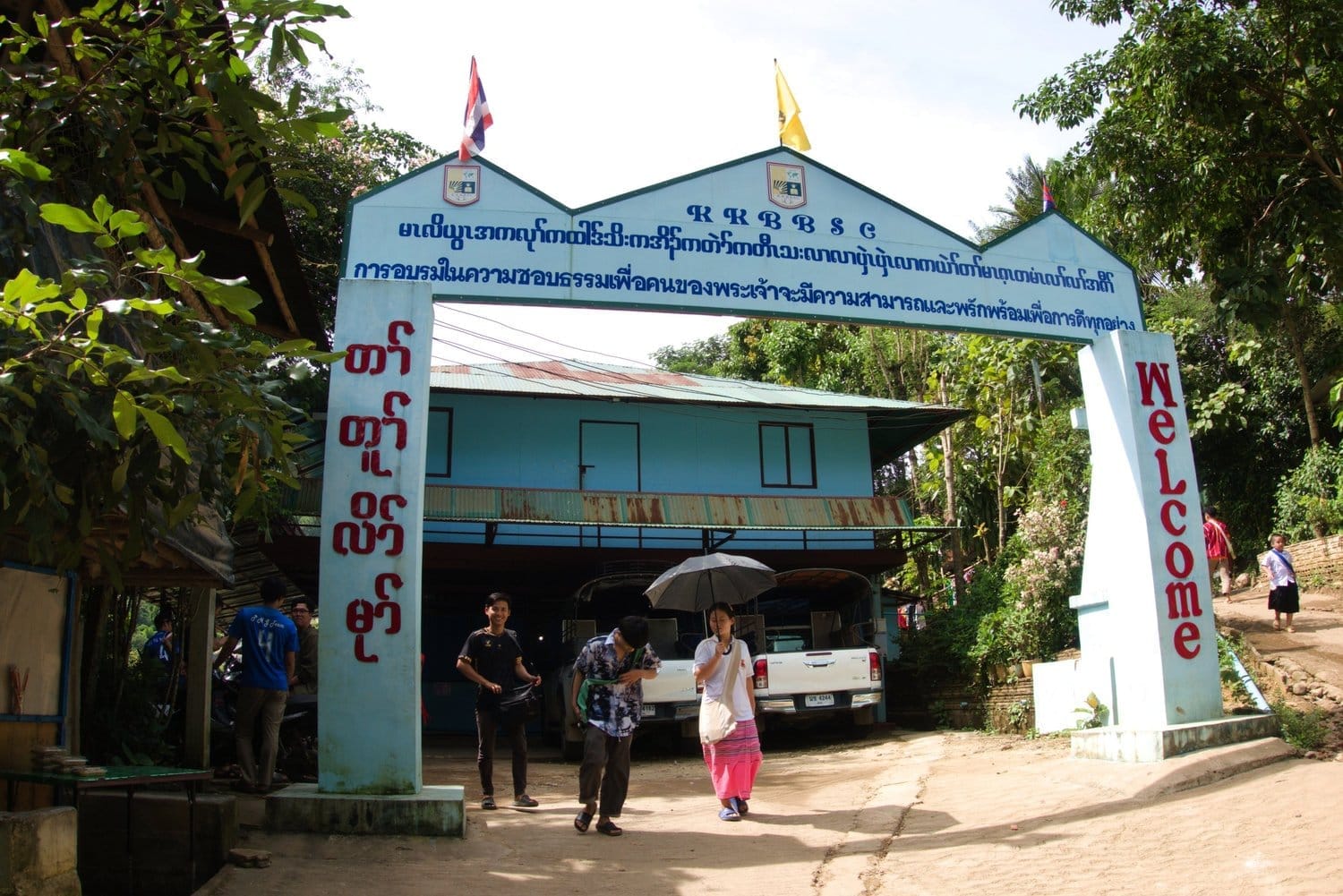
Another One Humanity Fellow, Nathaphob Sungkate, writes: “if home were safe, no one would choose to leave.” In this powerful report from inside Myanmar’s refugee camps, he documents how people carry on after aid disappears with courage and hope.
Silencing Kashmir
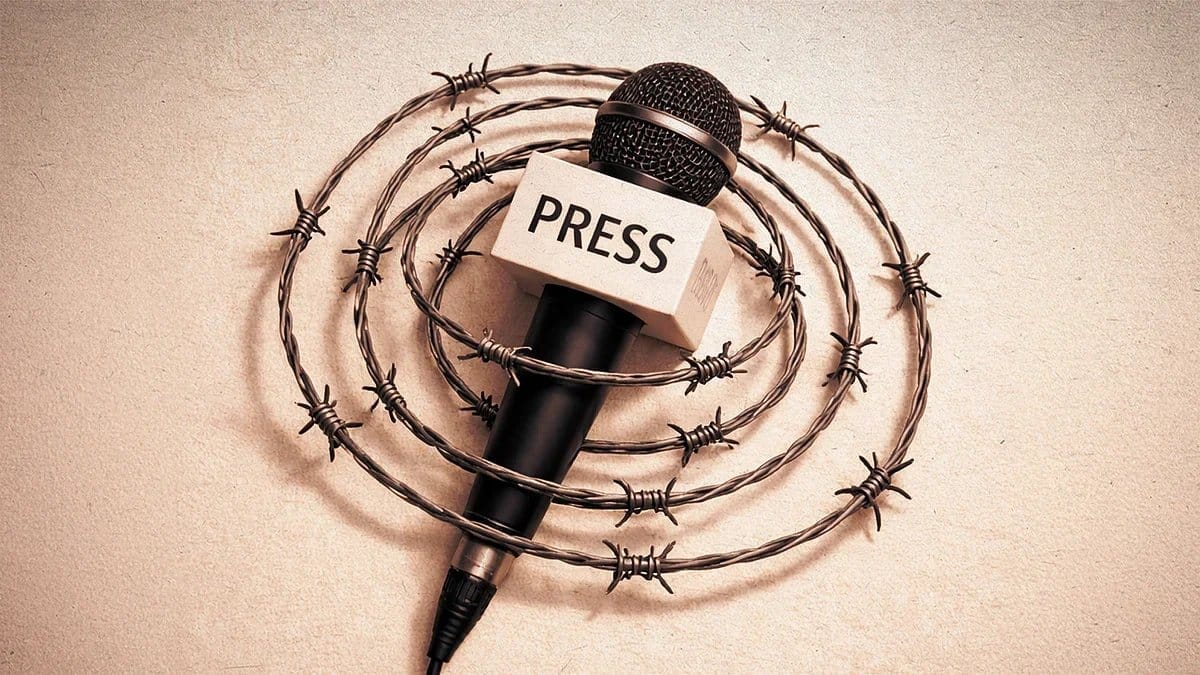
Finally, Kalpana Sharma calls out the mistreatment of journalists and yet again, the silencing of their stories by the Indian media. She also sheds light on what she calls India’s “equivalent of ICE” where police have been pushing so-called “foreign nationals” into neighboring countries, and the lack of coverage on the matter.
In Conclusion
I would like to end with a memorable quote from one of my favorite books, “All About Love” by bell hooks. “When love is present, the desire to dominate and exercise power cannot rule the day. All the great social movements for freedom and justice in our society have promoted a love ethic. Concern for the collective good of our nation, city, or neighbor, rooted in the values of love, makes us all seek to nurture and protect that good.”
And to my mother and others who share her similar fear: “To live our lives based on the principles of a love ethic, we have to be courageous. Learning how to face our fears is one way we embrace love. Our fear may not go away, but it will not stand in the way. Those of us who have already chosen to embrace a love ethic, allowing it to govern and inform how we think and act, know that when we let our light shine, we draw to us and are drawn to other bearers of light. We are not alone.”
In the face of intimidation, fear tactics, and censorship to silence our voices, I hope the profound knowledge of bell hooks’ love ethic guides us all in our fight for freedom and dignity.


