After years of shaping crisis communication during emergencies at sea, Joy Dianne Gumatay has learned to separate her emotions from her professional responsibilities. But she never wants this conscious distancing to turn into indifference.
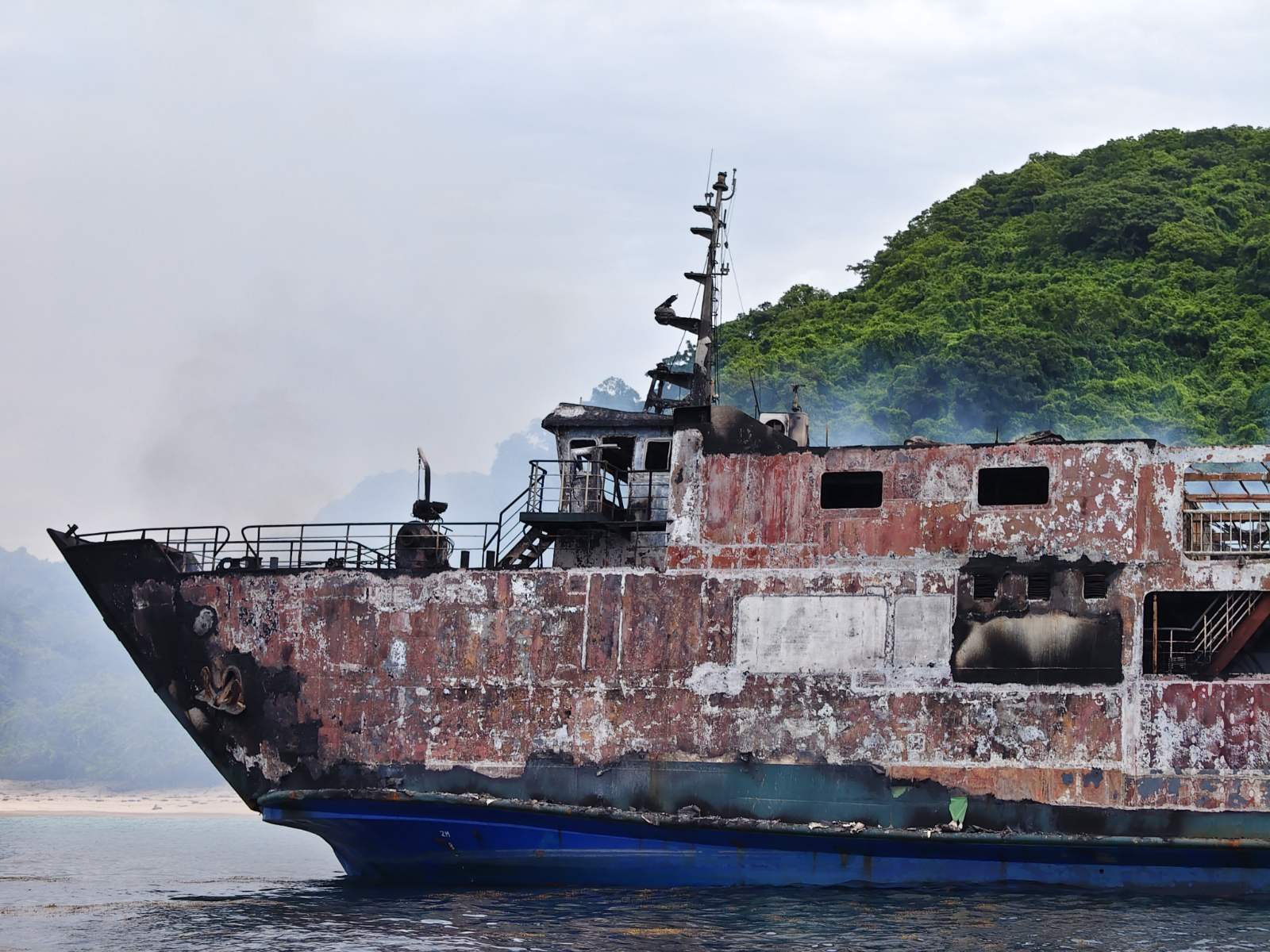
It took more than 30 hours before firefighters were able to safely enter the burning MV June Aster in the waters off Coron, Palawan, in the western Philippines, on Sept. 9.
Strong winds and unpredictable weather prevented rescuers from getting close to the distressed ship. When they finally boarded, rescuers said that smoke was still rising from its scorched sections. A total of 128 crew members and passengers had been on board when the ferry left Manila.
Survivors described hearing an explosion followed by fire that spread within seconds. Some of the survivors also recalled seeing people in flames jumping overboard.
Recurring Sea Tragedies
The Philippines is an archipelago of 7,641 islands with more than 36,000 kilometers (about 22,500 miles) of coastline. For millions of Filipinos, roll-on, roll-off passenger ferries and small boats function much like buses and trains in land-based regions. The Philippine Ports Authority recorded 82.42 million sea passenger movements in 2025, illustrating the scale of the country’s dependence on maritime transportation.
The June Aster fire was not an isolated case. In January, the MV Trisha Kerstin 3, traveling an interisland route with more than 350 people aboard, sank near Baluk-Baluk Island, Basilan, in the southern Philippines, killing at least 66 people.
According to a Philippine Coast Guard report covering 2015-2019, 4,467 accidents occurred in the country’s waters during the period. The report cited causes, including insufficiently trained crew members, lapses in vessel maintenance, weak policy enforcement, inaccurate passenger manifests, overloading, insufficient lifesaving equipment and ineffective vessel traffic management.
As the Philippine Coast Guard’s senior strategic communications Officer, I led crisis communication for 70 incidents at sea that involved deaths, vessels so severely damaged as to be unserviceable and oil spills that were harmful to the marine ecosystem and to the health of coastal communities. Before joining the Coast Guard, I served as a broadcast journalist for the Philippines’ state-owned television network, so I was already accustomed to the demands of fast-moving news.
Years of strategic communications work have enabled me to handle dynamic situations with structure and discipline. Established protocols make internal coordination faster, and I have developed approaches for responding to journalists seeking information and clarification while staying anchored in verified facts. When developments remain fluid, I make sure that I clearly communicate the limitations and potential outcomes amid ongoing operations.
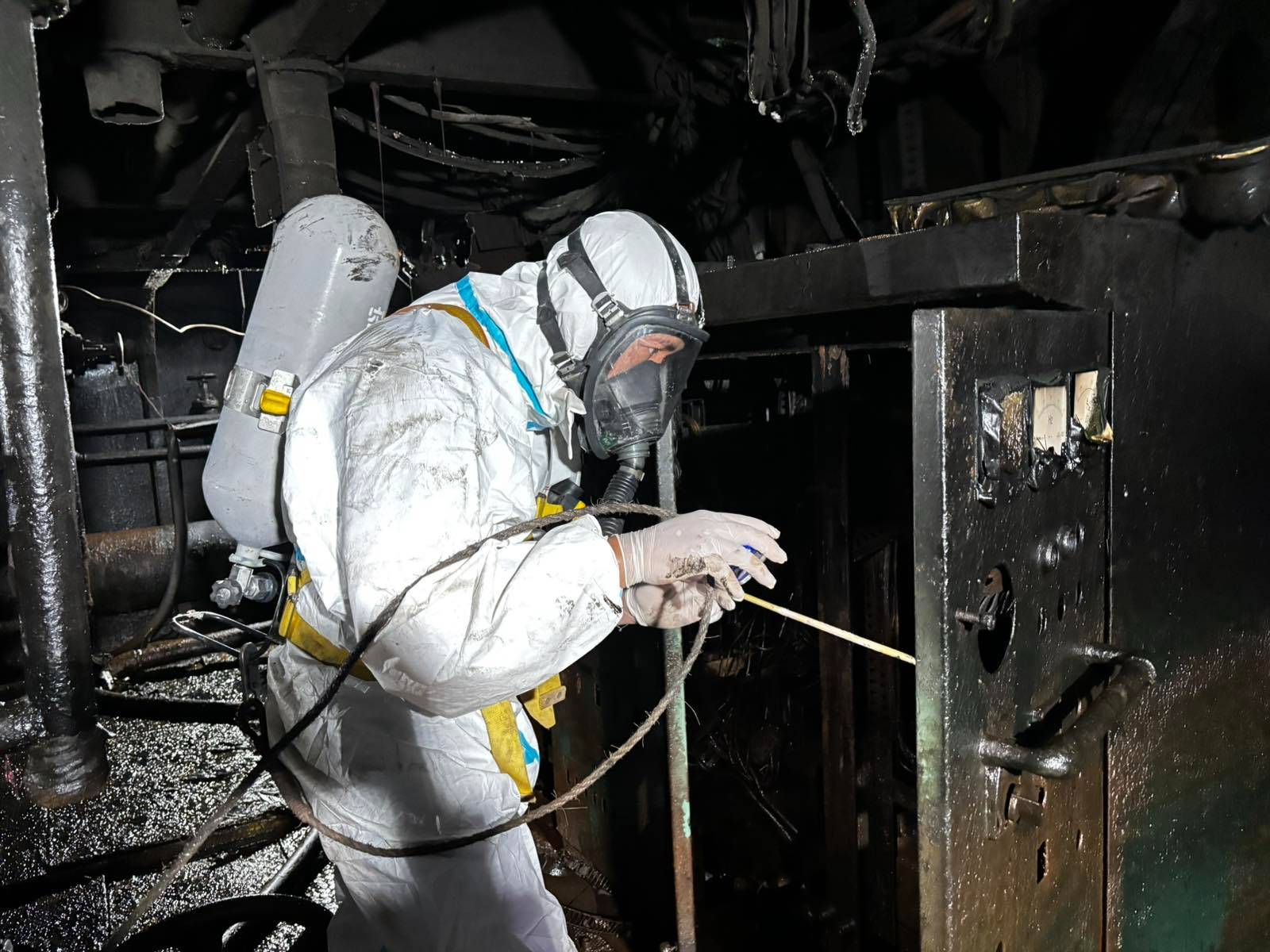
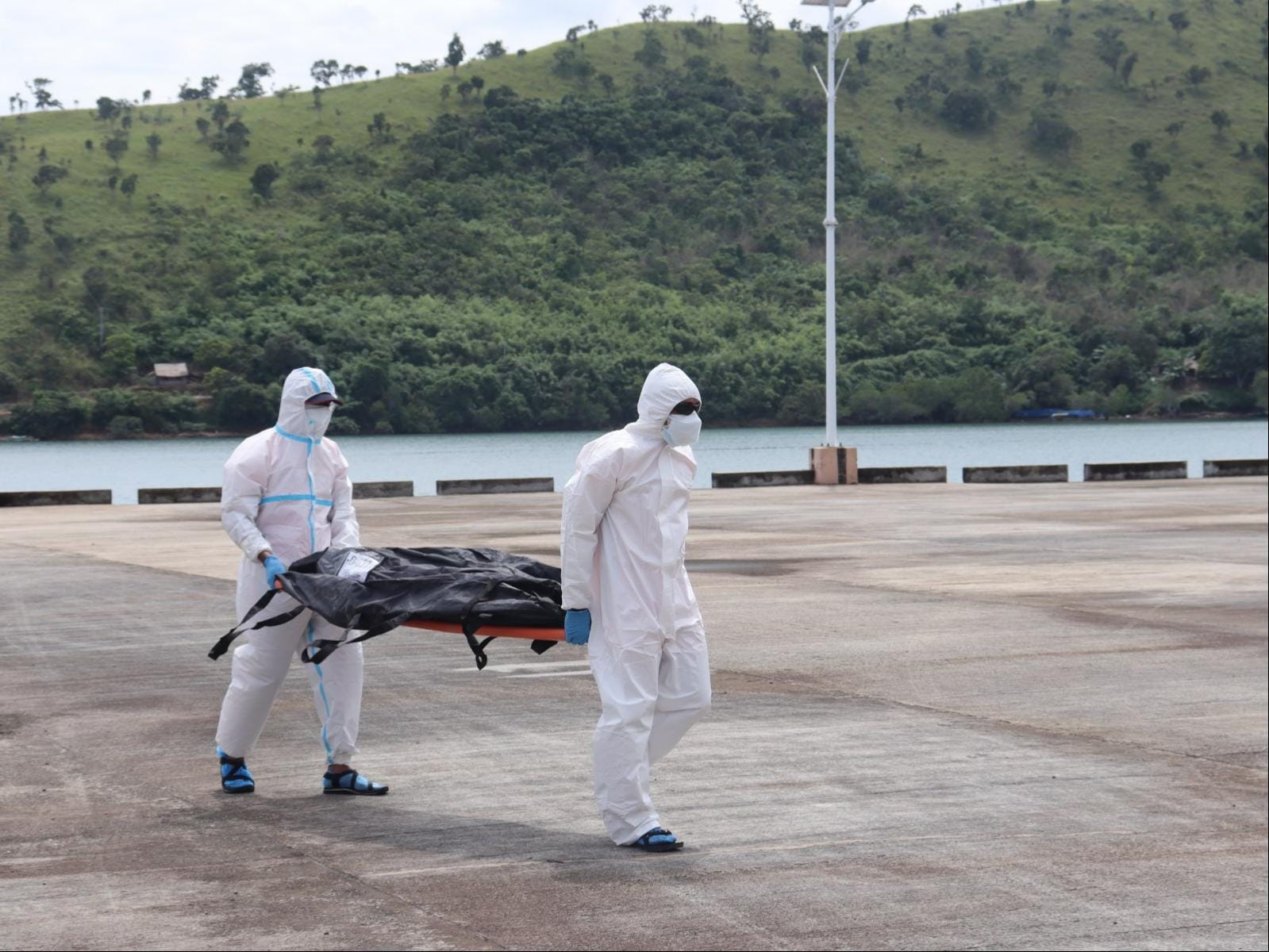
When rescuers were finally able to board what was left of the MV June Aster, they reported finding the charred remains of passengers in the economy section of the ship. They also sent photographs and raw video footage from the scenes. At first, I looked at them through the lens of my operational role — deciding what needed to be confirmed and what the public needed to know.
For a moment, I registered no emotional reaction. It took a few minutes before I began to see the images and videos differently. Each burned body belonged to someone whose family is still waiting and hoping for a miracle that their loved one would come home safely.
I offered a short prayer and returned to my duties: producing the latest update, determining which material could be released and addressing inquiries from Philippine and international media.
Refusing to Lose What Makes Me Human
When I was a rookie field correspondent deployed to cover accidents, I was so sensitive and emotional that I could barely look at the scene.
Years of communicating the loss of life during maritime disasters have changed how I process and understand what I see. I can now remain calm and composed enough to do what my job requires. Even so, I do not want to lose what makes me human. I want to remain grounded and remember that every addition to the fatality count represents a life rather than a mere entry in our recovery operation records.
I need to remind myself of this as I continue in this career. While I need to maintain a deliberate separation so that I can examine sensitive visuals and convey the facts accurately, I need to be mindful that this does not lead me to lose empathy.
Six days after the fire on the MV June Aster, rescuers were able to save 43 people and recover the bodies of 77 people who perished. Among the survivors was a 7-year-old girl, the youngest passenger rescued. As of this writing, search efforts for the eight missing people continue while their grieving families await updates. Authorities are also investigating the cause of the fire and any liability.
Filipinos will keep boarding ferries because sea transportation connects communities and keeps maritime trade moving. Coast Guard responders will carry on saving lives, and I will serve the public when another tragedy strikes at sea. But no matter how familiar the work becomes, I hope I never reach the point where lives begin to feel like mere numbers.
Each number has a name, and I want to always remember that.