
Searching for Peace of Mind Amid Crumbling International Law
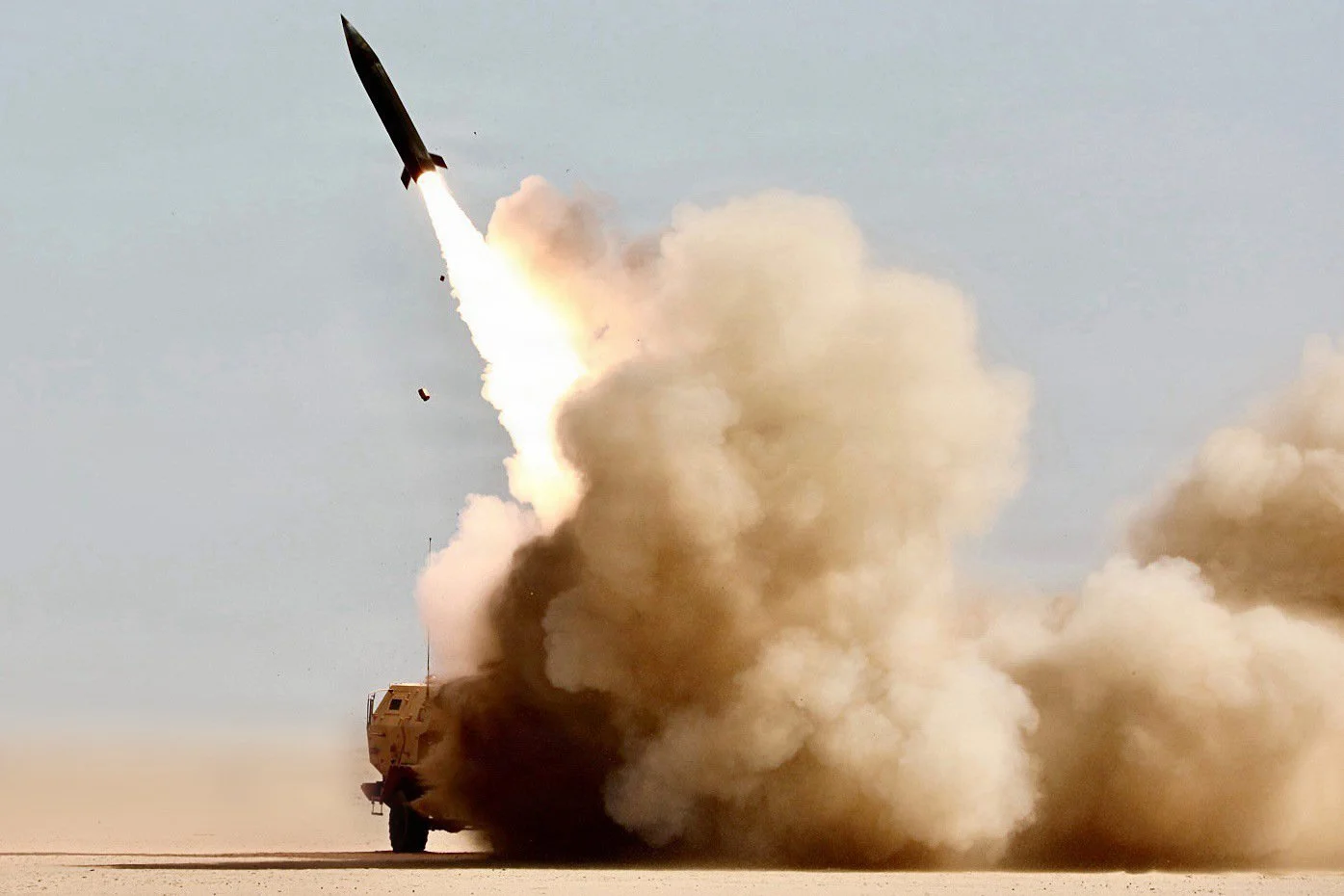
U.S. rocket fire during Operation Epic Fury, 2026 (Wikimedia Commons)
Of late, world leaders have abandoned the quest for peace in light of the resurgence of the destructive and self-fulfilling prophecy of “peace through strength.” Diplomacy is now seen as a weakness, as the U.S. has once again traded dialogue for bombs when it comes to conflict resolution in the Middle East. Ignoring the swell of anti-war voices crying out at home, world leaders are determined to collapse international law as peace lays in the rubble.
The reality is that there are armed conflicts on every inhabited continent but one. When you then take into consideration the continued genocide against the Palestinian people, the disregard for sovereignty, as well as the rising tide of global far-right politics that is breeding domestic violence, all signs are pointing to the conclusion that peace is increasingly becoming an abstract concept. The consequences of this disregard for peace have torn international law to shreds and have paradoxically turned human rights into privileges.
A Commitment to Promote Justice
It is a strenuous task to imagine what peace could look like in this new world order. The place to start, however, is by reclaiming the meaning of “peace.” We must reject the concept of peace as a prize, a weakness to exploit or a lie told to suppress the oppressed. Instead, we must make peace an action. A commitment to not just avoid war but proactively promote justice. More importantly, perhaps, we must communicate the importance of taking this action.
History has taught us that sustainable progress, change and justice are built through peaceful endeavors. The common values of anti-colonial struggles like the Indian Independence Movement or domestic organizing like the U.S. Civil Rights Movement showed us that peace can be revolutionary. Rather than consigning international law to the history books, world leaders must reposition peace as the ultimate goal within foreign policy, accompanied by a systematic effort to “do peace.” That is, to proactively promote justice on the world stage. If our leaders take the alternative path, the one that pursues the dismantling of international law and settles disputes through force, the first casualty will be our humanity. Rather than letting peace guide them, governments will follow our worst human instincts.
The Pursuit of Active Peace
This will take a collective reimagining of what international peace looks like. Foreign policy must be grounded in the pursuit of “active peace” through international institutions, encouraging collaboration, dialogue and a respect for human dignity without the persistent threat of violence. As active citizens, our role is to hold our governments accountable. To communicate the importance of these actions, we must organize and amplify our voices to show that we have not forgotten the promise of peace and in fact, exercise it daily with our neighbors. Through the power of our vote, we must demand our leaders to follow our lead and exercise peace with our neighboring countries.
Peace is not an easy end. It is one that demands dialogue, understanding and a shared commitment to the ideals of justice. It also requires the continued stewardship of these principles to ensure that they will be passed down from generation to generation. While this may not be the easy path, it is the only one that will allow our common humanity to flourish and build a better world for future generations.
More stories from We Are One Humanity

Mainstream media is losing a generation, and the Cockroach Janta Party is merely a symptom.