
Who We Are
We are living in a time when intolerance thrives. It is a time of greed, of broken promises, of incitement of division.
It is also a time of opportunity: a generation of fierce activists, brave journalists, concerned citizens, committed professionals, and steadfast institutions see what is going on and are fighting for a better world anyway.
We Are One Humanity (WAOH) pushes back against worldwide attacks on equal rights and human dignity - which are thrusts for the supremacy of some groups and the downgrading of others.
In addition, WAOH
believes democracy requires treating with respect those whose views differ from ours;
welcomes the fact that human beings are crossing barriers and mixing with one another as never before;
asserts that human rights and essential freedoms may not be denied to anyone or any community in the world;
holds that struggles for liberty, equality, and dignity can be wholeheartedly waged without violence or hatred.
To achieve this, WAOH
shares stories of people worldwide who are making a difference;
speaks out on current political developments;
explores ways to address human rights abuses;
hosts live conversations with changemakers around the world;
points to resources for those wishing to take action.
Our Priorities
As a budding human rights publication, We Are One Humanity will prioritize human-centered, values-driven storytelling that is timely, courageous, and globally representative, and that speaks to people seeking inspiration. We are already doing this through the inaugural cohort of our WAOH Writers Fellowship, and will continue honing our journalistic integrity and engaging our community via digital programming.
As part of our two-year strategic plan, from 2025 to 2027, we will focus on growing a diverse and engaged community, including younger audiences, international voices, and people who are eager to make an impact. We're doing this by improving our website interface, piloting community forums such as our new public WhatsApp group, and hosting regular webinars on pressing topics. Through all of this, We Are One Humanity staff and board members will lay the foundation for fiscal and operational sustainability.
THE TEAM
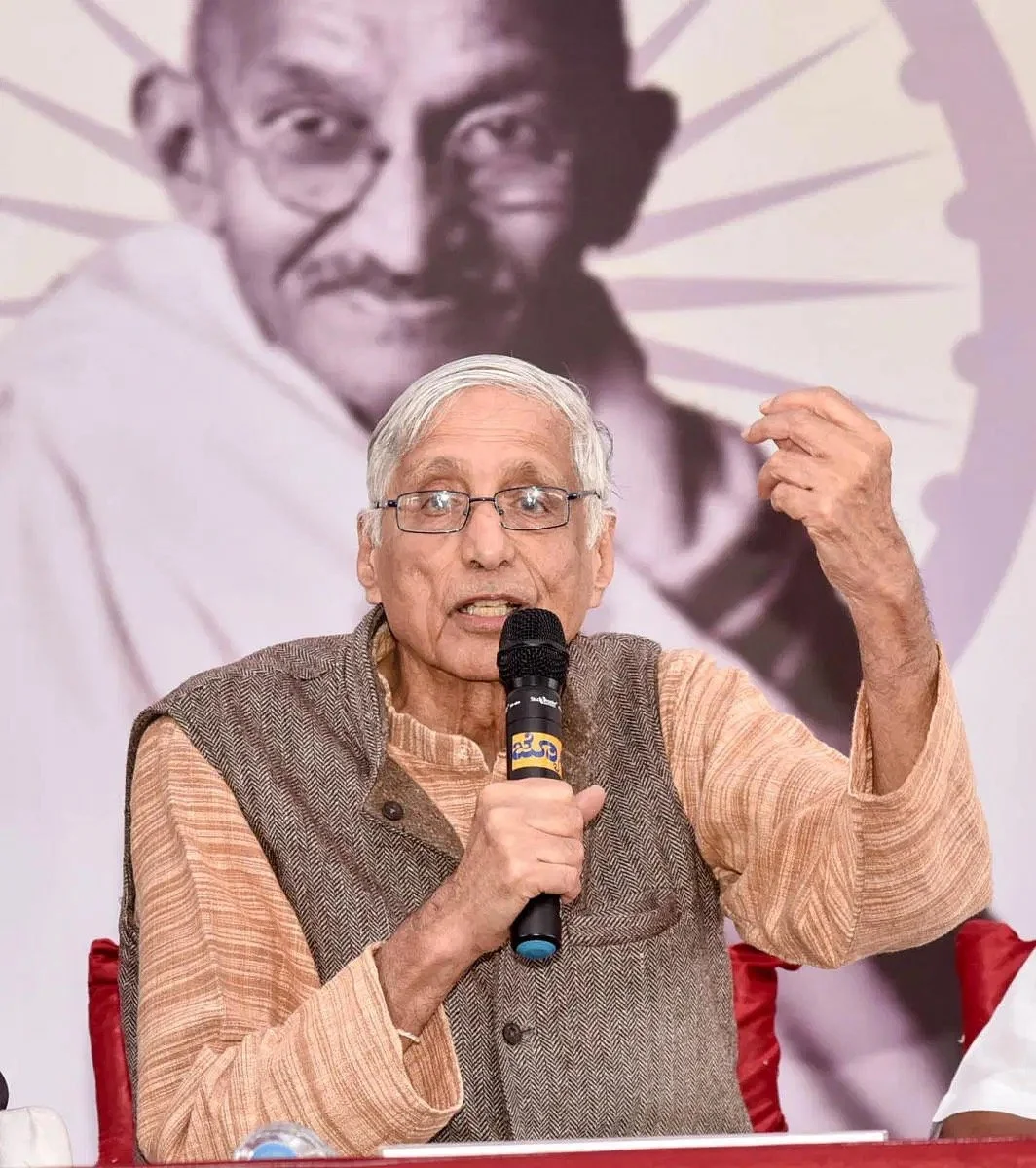
Rajmohan Gandhi
Founder & Editor-in-Chief
Born in 1935, Rajmohan Gandhi has been writing on democracy and human rights from 1964, when with a few friends he started a weekly called HIMMAT in Mumbai. Over the years Rajmohan has been a journalist, a professor teaching history and politics in the U.S. and in India, an author of biographies and histories, and a member of the Rajya Sabha (the upper house of India’s parliament).
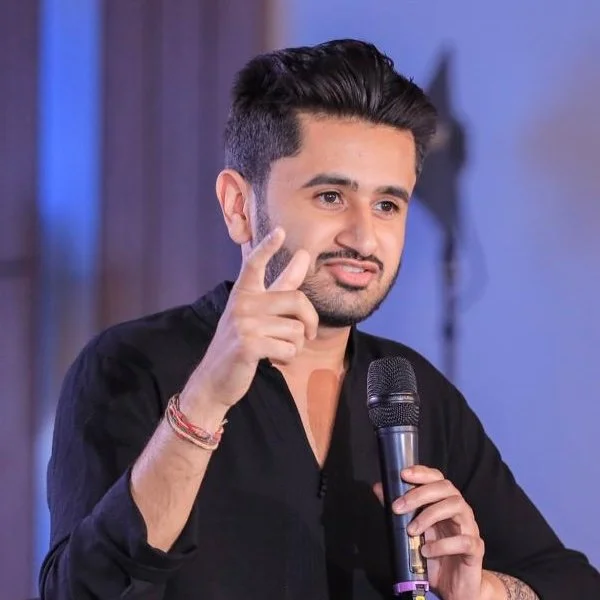
Faisal Lalani
Executive Director
Faisal M. Lalani is a global community organizer with a background in building international coalitions, advising policymakers, and preserving human rights and democracy. He has worked all over the world — including in Nepal, South Africa, India, the UK, Sri Lanka, and the US — and has expertise in digital rights, education reform, public health, climate and energy transitions, clinical psychology, foreign policy, and social movements.
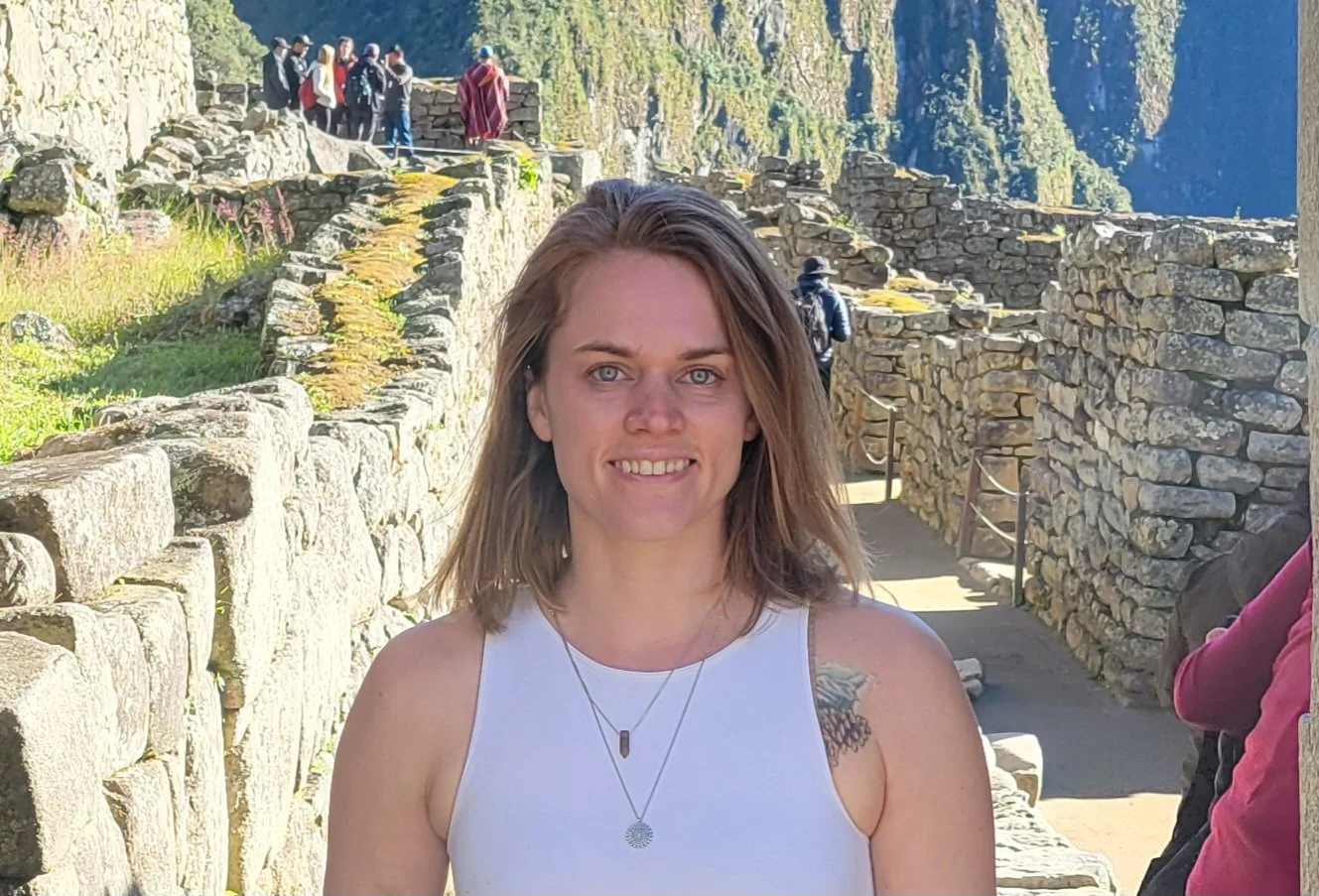
Emma Tozer
Chief-of-Staff
Emma Tozer has worked in communications, nonprofit journalism, and media relations for the past ten years, with a soft spot for social justice organizations and union organizing campaigns. She holds a BA in cultural anthropology and archaeology, and an MS in agricultural sciences. Originally from Virginia, she recently moved to New Mexico, where she has embraced the perpetually-dehydrated high desert lifestyle.

Rund Mohammed
Community Lead
Rund has a Bachelor's in Global Public Health and Global Liberal Studies with a concentration in Critical Creative Production from New York University. Growing up in different countries—such as the United States, Nepal, and Thailand—has brought a multifaceted and diverse perspective to her work as a third-culture individual, driving her to discover her passion for disseminating cultural narratives through artistic expression. Rund's past work explores the intersections of art, research, and advocacy through digital zines, self-designed graphics, critical essays, and most recently, a multimedia thesis produced in the forms of a self-published book, handmade garments, and a fashion show fundraiser.
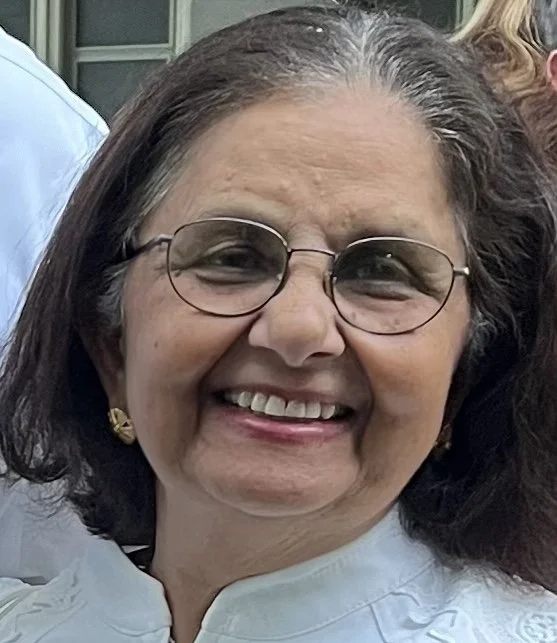
Mridu Sekhar
Board Member
Born in independent India in 1947, Mridu Sekjar was inspired by the leadership of Gandhi and Nehru and educated in the Rishi Valley School’s humanist philosophies of J Krishnamurthi. She worked in Information technology & healthcare at the University of Chicago Medical Center. She spent two critical decades during the breakup and restructuring of the Soviet Union (1985- 2008) building relationships in the countries of this region. Since 2015 she has lead Kalapriya Center for Indian Performing Arts, a small organization that uses the performing arts to provide accessible avenues for people of all backgrounds to engage meaningfully with issues and becoming powerful catalysts for change.
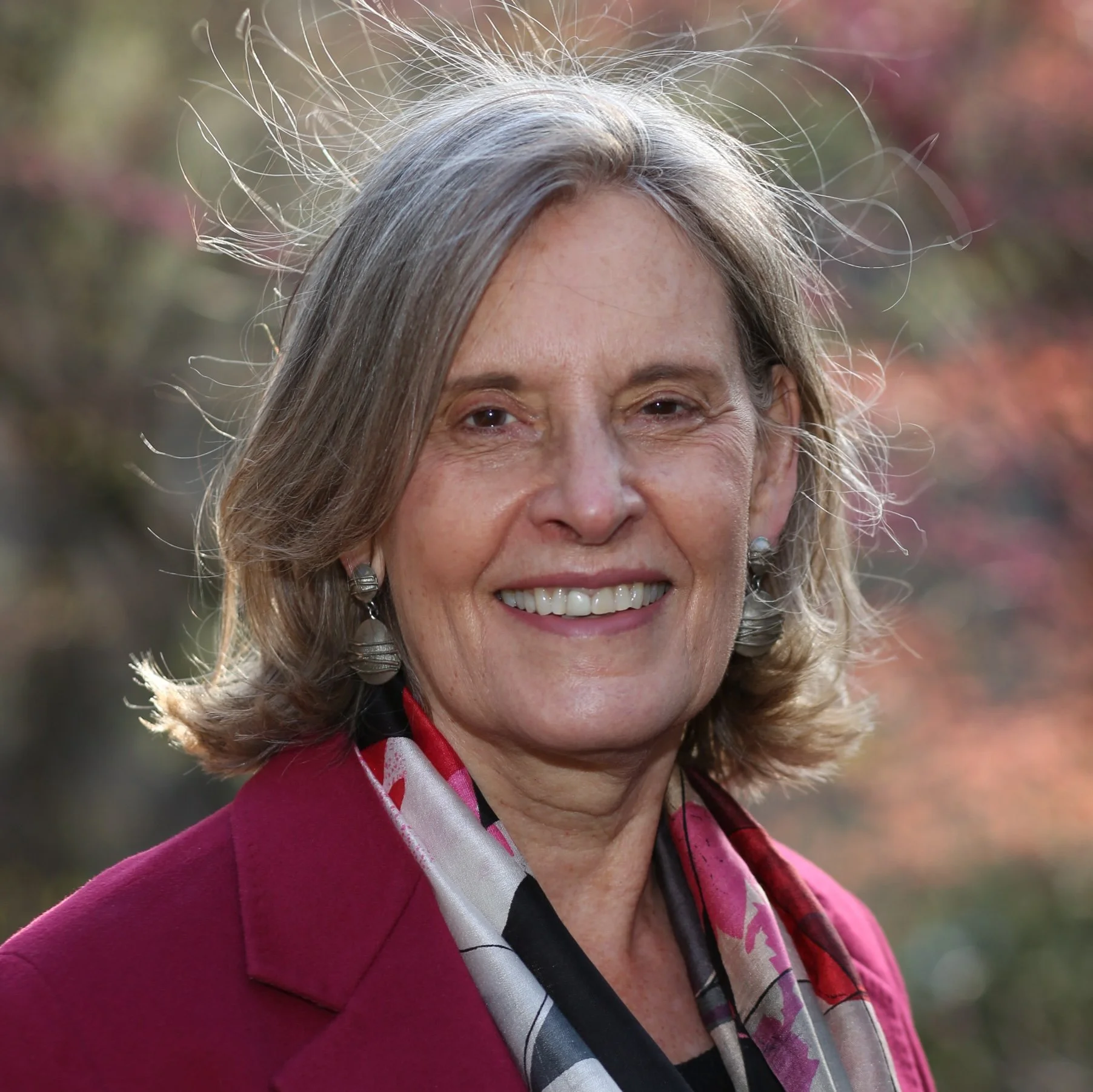
Margaret Smith
Board Member
Margaret Eastman Smith has devoted her life to exploring the nexus between personal growth and social change. Her doctoral research, at the Fletcher School at Tufts University, focused on new ways dissemination of historical ideas can be used to mitigate conflict. Between 1999 and 2017 she was on the faculty of the Program on International Peace and Conflict Resolution at American University. Her areas of specialization include nationalist and ethnic conflict, uses of memory in politics, and post-conflict reconstruction in deeply divided societies. Before becoming an academic, she worked with the international program of Initiatives of Change, spending four years in Papua New Guinea and a further four years in Richmond, Virginia working on projects to improve community relations.
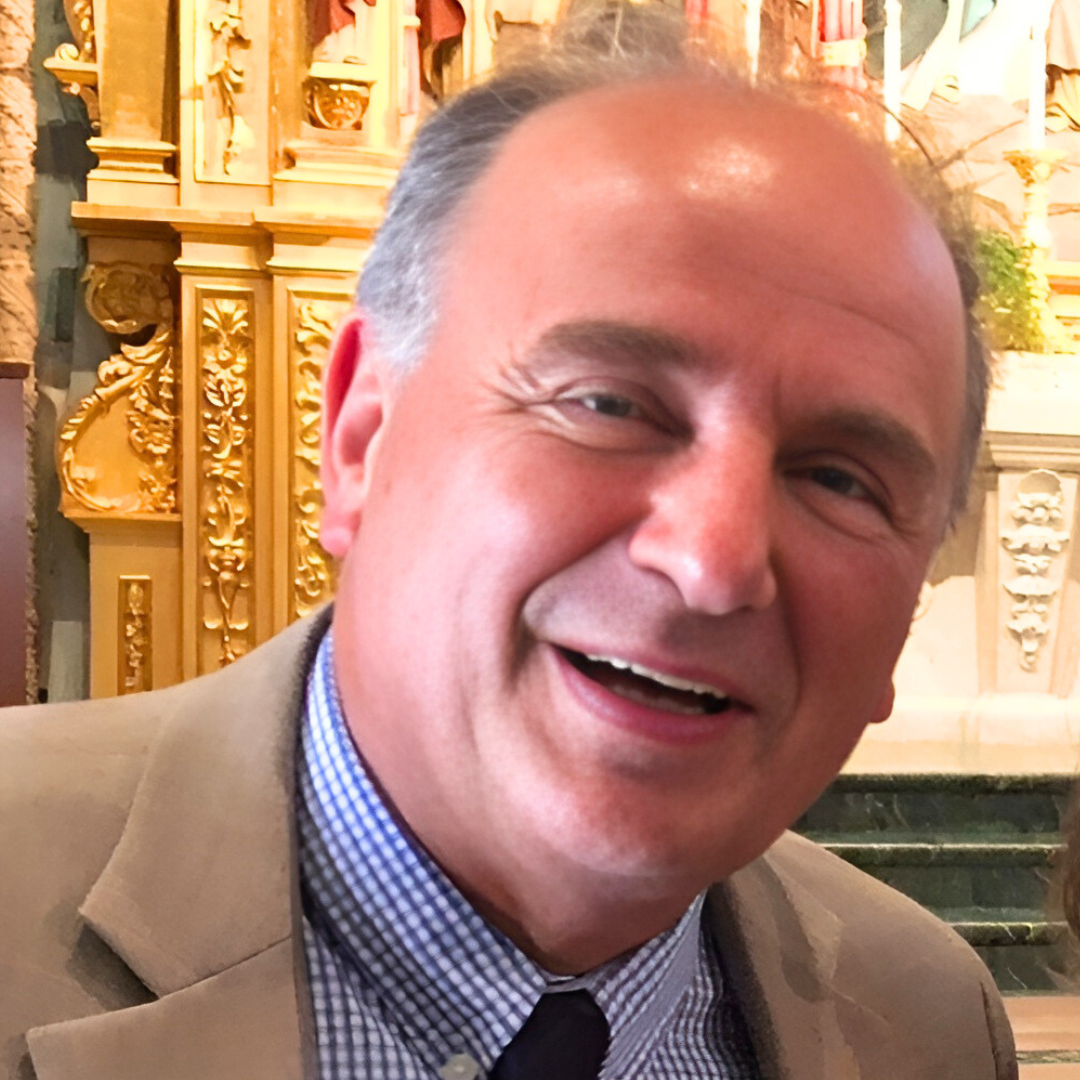
Charles Aquilina
Board Member
Belonging to Malta and the United States, Charles Aquilina worked in his youth at a bank in Malta, where, in his late teens, he also presented music programs on radio and television. An overcoming of prejudice towards Arabs, which had stemmed from centuries of conflict in the Mediterranean, set Charles on a course of attempting to build bridges across this and other divides, rather than remaining a slave to what history may have bequeathed. Towards this aim, Charles has worked with others to initiate inclusive dialogues in Malta and in the Middle East, Asia, Europe and the USA. Long a resident in the U.S., Charles has also lived in India, Australia, and Britain, and made numerous visits to Middle Eastern countries, always as a guest of friends there.
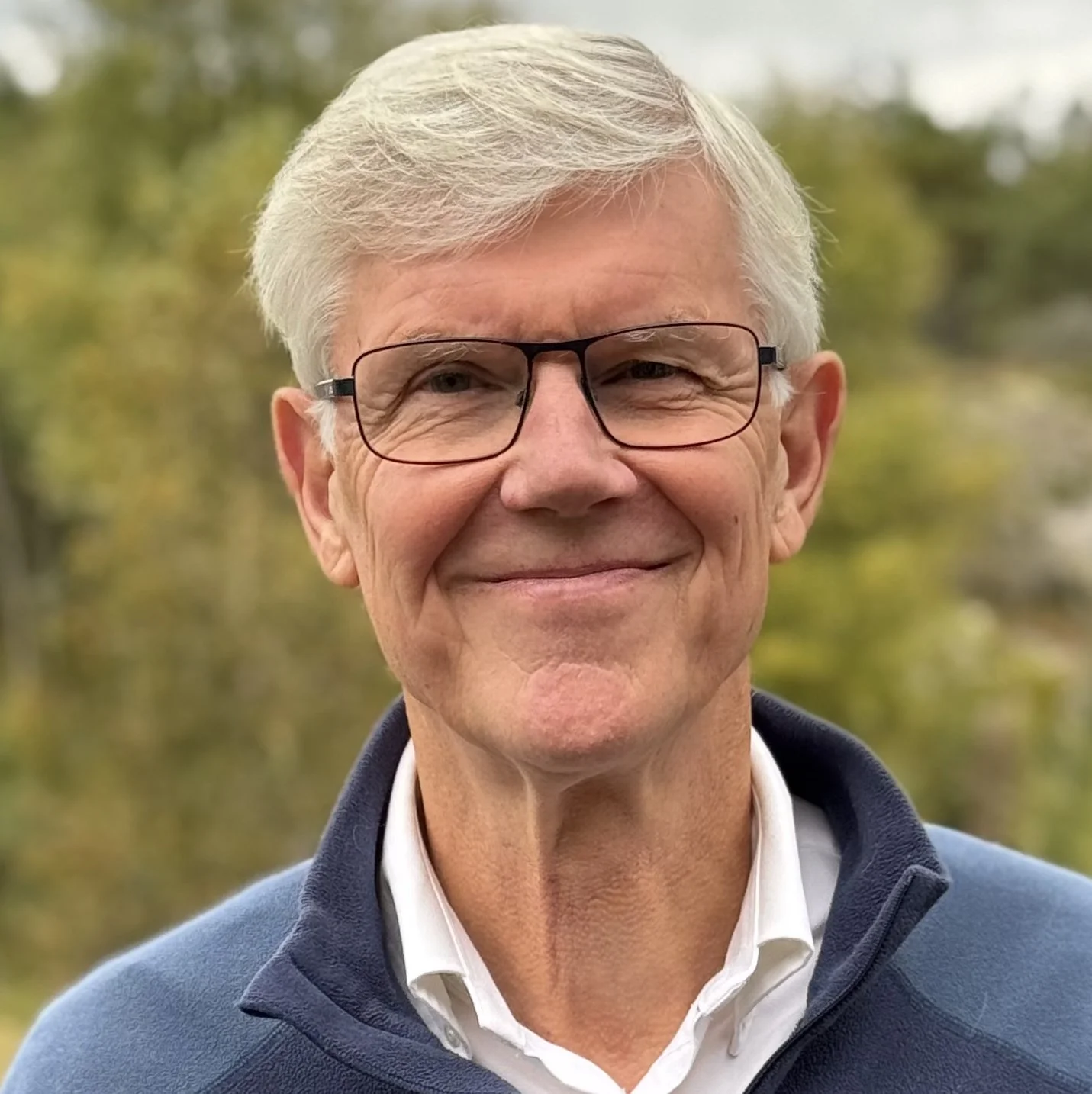
Edward Peters
Board Member
Edward Peters worked with Moral Re-Armament/Initiatives of Change since leaving school in 1970, in over 50 countries. He was responsible for formal training programmes for young people and a commissioning editor & monthly columnist of 'For A Change magazine' from 1990-96. From 1993-98 he served as international co-ordinator of 'Foundations for Freedom,' a programme of courses aimed at strengthening democracy in Eastern Europe. From 2002-2008 he managed the global internet work of Intiatives of Change. From 2009-2010 he assisted Rajmohan Gandhi during his Presidency of IofC International. He was Executive Vice President of Initiatives of Change International from October 2010 to December 2014. Edward’s wife is Swedish, they have two children, and live on the west coast of Sweden where Edward works in web development.
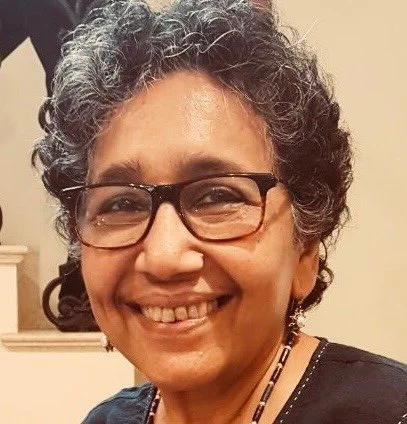
Kalpana Sharma
Board Member
Kalpana Sharma is an independent journalist, columnist and author based in Mumbai. In five decades as a journalist, she has worked with Himmat Weekly, Indian Express, Times of India and The Hindu. She was Consulting Editor with Economic & Political Weekly and Readers' Editor with Scroll.in. Currently, she writes a column on the media in Newslaundry.com. She has written two books: "The Silence and the Storm: Narratives of violence against women in India" and "Rediscovering Dharavi: Stories from Asia's Largest Slum and edited "Single by Choice: Happily Unmarried Women" and "Missing Half the Story: Journalism as if gender matters".