
Hope and Struggle in Myanmar Refugee Camps
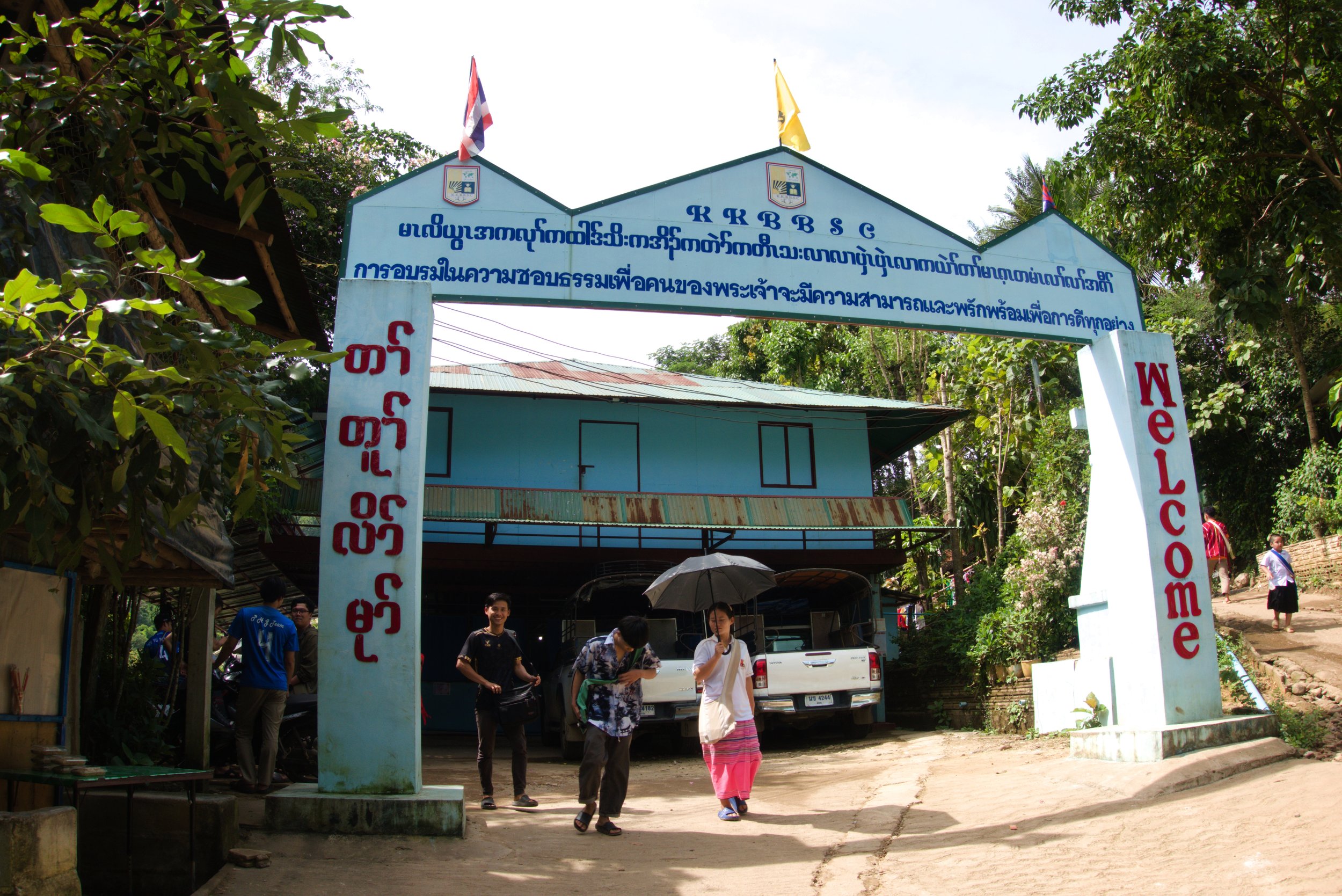
Mae La refugee camp, one year after Trump cut aid (Photo by Nathaphob Sungkate)
A local bus slowly leaves Mae Sot district in Tak province, Thailand-Myanmar border, heading toward Tha Song Yang. Along the way, it passes Ban Mae La, one of the temporary shelters for people fleeing fighting in Myanmar. Mae La is among the largest and oldest refugee camps in Thailand. More than 30,000 people live there. The camp has existed since 1984.
For decades, refugees who fled the fighting have not been allowed by Thai authorities to leave the camps. They are not permitted to work. For people escaping war in Myanmar, there have been only three options. The first is to return home and risk death. The second is to seek resettlement in a third country with support from international organizations. The third is to remain in the camps indefinitely, relying on humanitarian aid. One of the key supporters has been the United States Agency for International Development (USAID).
In early 2025, the administration of Donald Trump announced cuts to USAID’s foreign assistance budget and the cancellation of aid contracts totaling more than 90 percent, or about 60 billion US dollars. The decision struck like a bolt of lightning. It left the lives of refugees hanging by a thread and disrupted a system that had shaped how the Thai state managed these populations for nearly 40 years.
According to information shared with me from an internal meeting of the National Security Council, there were urgent humanitarian proposals aimed at keeping people alive. One proposal called for allowing more than 70,000 people fleeing the fighting in Myanmar to work legally in Thailand. Around 30,000 to 40,000 of them are of working age.
I had the opportunity to travel inside the camps to observe life behind their fences after international aid was cut. Assistance may have ended, but the lives of the people inside must go on.
Not Waiting for Charity
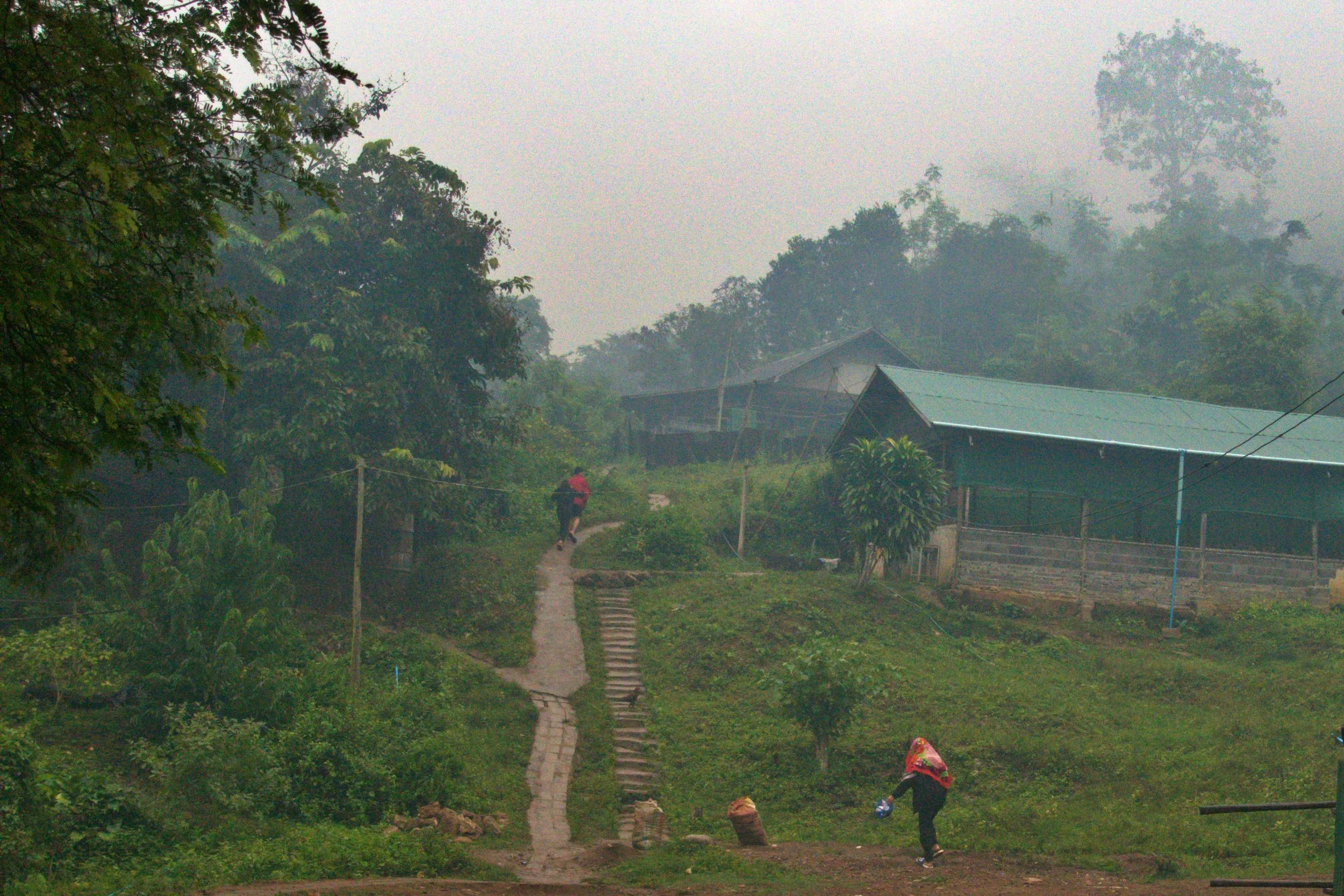
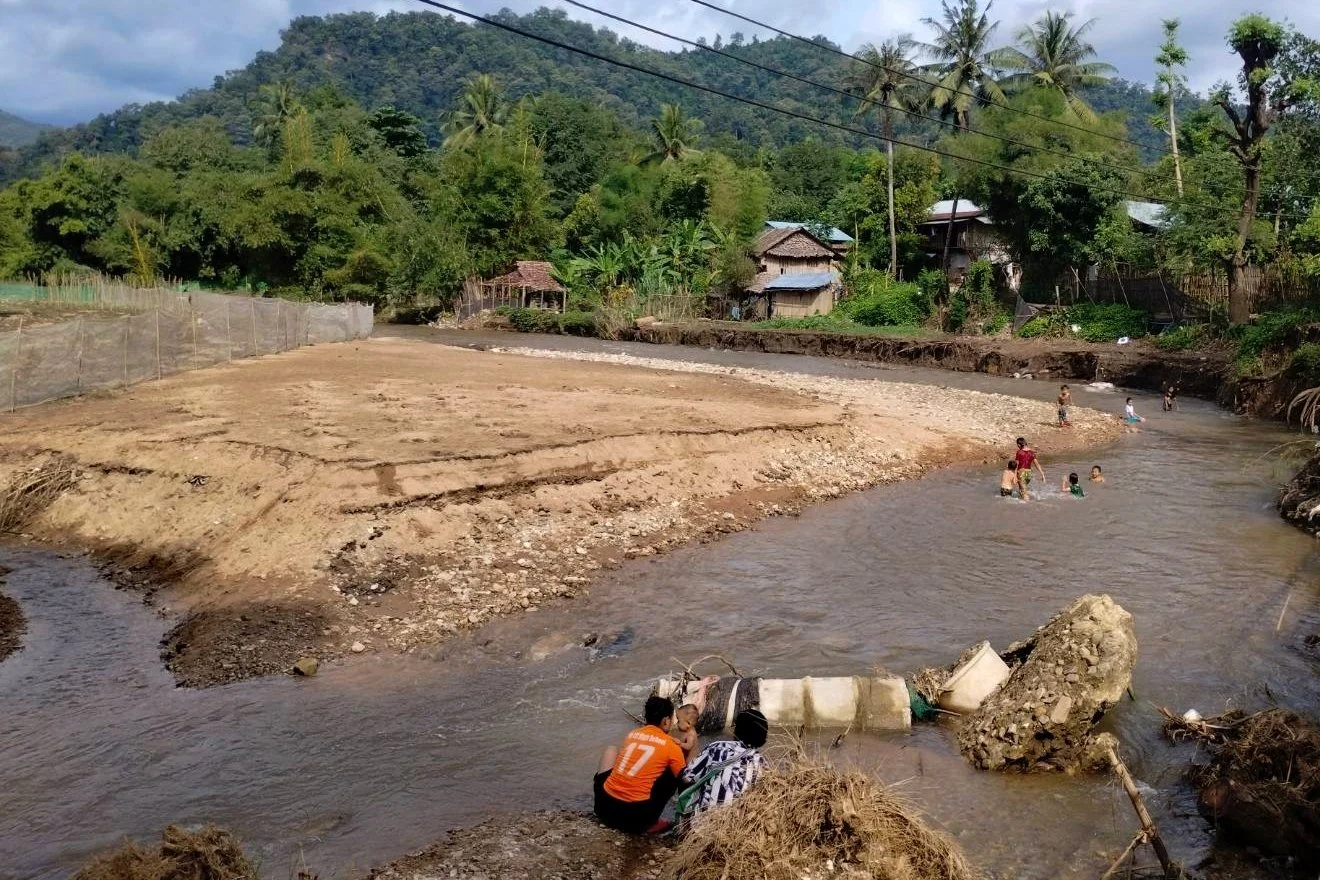
During the day, Mae La refugee camp is filled with the sound of children leaving school and walking home. Inside the camp, people mostly travel on foot, by bicycle, or on motorcycles. Most residents are Karen ethnic people from Myanmar, alongside other ethnic from across the country.
“I was born in Karen State, Myanmar, but I moved here when I was three years old. I grew up in the refugee camp.”
Tahehler is a student at a community-run college inside the camp. He is now in his final year. His goal now is to become a secondary school teacher for children in the refugee camp.
“If we have education, we can move forward,” Tahehler said. “If we can speak English, which is a global language, we can go anywhere without fearing human trafficking or people who want to deceive us.”
When I asked Tahehler whether he wanted to live outside the camp, he said he hoped to start a new life and meet new people. Inside the camp, he is stateless. He wants to hold a nationality, any nationality, so he can earn an income and support his parents.
“I have a big dream,” Tahehler said. “I want to be a businessperson. I want to have my own company and work with my friends. If we work hard enough, I believe we can build that life. But my first step now is to finish my education.”
Before coming here, I carried an image of refugee camps as places where people wait passively for aid, leaving their lives to fate. I was wrong. What I saw was a community in motion. People trade goods, work with the skills they have, and children study with the hope of a better future. They are not simply waiting for help from outside. They are fighting, every day, to live with dignity and hope.
No One Wants to Leave Their Home
I was offered a place to stay by a school inside the camp. Even before the sun rose above the horizon, life there had already begun. Every morning, children lined up to take care of their daily routines before class. They shared responsibilities: cleaning, cooking, and, for the older ones, looking after younger children.
Each morning, the sound of a violin and other instruments became my alarm clock. I once asked a staff member why children here loved music so much. He told me that music helps them escape, even briefly, from a harsh reality. Many children in the camp lost their parents to the war waged by the Myanmar military. Others were forced to leave their families behind to study here. Some even pushed themselves through a master’s degree, only to return and pass on knowledge to the next generation.
“Last year we had fewer students,” he said. “This year the number has grown to around 600 because of continuous air strikes in Myanmar. Students have had to flee and move into the refugee camps.”
Saw Nyar Soe, 30, is now a lecturer at a college inside the camp. The college offers diploma and bachelor’s degree programs, qualifications recognized by the Karen State authorities.
He was once a student here himself. After completing his bachelor’s degree, he searched for opportunities and eventually received a scholarship to pursue a master’s degree at a university in Thailand. He has been teaching here for the past two years. Lecturers earn about $190 per month, less than Thailand’s minimum wage. Still, Saw Nyar Soe chose to become a teacher because he believes it matters.
“I see teachers as the people who give education to young people,” he said. “My community still needs more qualified teachers. That is why I chose this path.”
Most students here have very limited choices. Many finish only primary or secondary school before leaving to work as daily laborers to support their families, or returning to Myanmar.
Only a small number continue to pursue higher education. Even then, they face the reality that they cannot find proper employment after graduation because of their legal status. While the Thai government has allowed people fleeing the fighting to work, the permission is largely restricted to manual labor.
“I don’t want to work in a factory. I want to use what I have learned.”
Hazer Kapaw Say is another student I had the chance to speak with. She told me that conditions in her hometown in Myanmar have grown increasingly dangerous. The Myanmar military continues to carry out air strikes. Many schools have been forced to close, some turned into military bases. Yet despite the risks, Hazer Kapaw Say has decided that once she finishes her studies, she will return home to teach children in her community.
“I know it’s dangerous,” she said. “But if I stay here in Thailand, I have no choice. I have no opportunity to do anything.”
One way young people from Myanmar try to survive is by changing their status from people fleeing conflict to migrant workers in Thailand. Many end up in the service sector, as they can communicate in English. A large number hold bachelor’s or even master’s degrees and once had stable careers. After the military coup in Myanmar and the introduction of compulsory conscription, many of these young people found themselves working as laborers in Thailand, or seeking jobs with non-governmental organizations, at a time when global aid funding is shrinking.
“My family is not wealthy,” Hazer Kapaw Say said. “That’s why I study hard, so I can support them in the future. I am the eldest child, and I want to be the one who takes care of my family.”
Today, people forced to leave their homes around the world face growing challenges. I have worked as a journalist covering migration for the past three years. One sentence I hear again and again from displaced people is this:
“If home were safe, no one would choose to leave.”
They are not moving because they want adventure or leisure, as travel is often imagined in wealthier parts of the world. For them, movement is about survival — escaping war, disasters, and poverty, and seeking the most basic things that everyone wants: a place to live, access to education, and recognition as citizens.
In the end, the decision by the United States to cut aid has pushed people fleeing the fighting into an unavoidable humanitarian crisis. But what I witnessed was that the loss of assistance did not erase their hope, nor their determination to survive. When the support they once relied on disappeared, people sought other ways to endure.
Some received help from relatives resettled in third countries. Others found work outside the camps or tried to earn a living within them. Children continued to study with focus and determination. They believe that education is a path forward — a way to build a future that does not depend solely on waiting for help from others.
*The opinions of contributing writers are their own and do not necessarily represent the views of We Are One Humanity. Submissions offering differing or alternative views are welcome


Facing history's darkest truths can liberate individuals and nations